
What Are Branded Podcasts? - A Quick Guide
A quick guide on what branded podcasts are, and how they play in your content marketing strategy.


If you are in B2B or B2C, you probably wondered why so many brands start podcasts. It almost feels like every business out there has a podcast these days. And you can't seem to shake away a thought: "What am I missing out on?"
Are podcasts becoming one of the best top-of-funnel assets? What are branded podcasts, and how can they empower your business?
In this article, we’ll answer these questions and more.
I’m the founder of Saspod, one of the best podcast production companies in the UK. I helped many businesses launch branded podcasts, generating impressive results. I started back in 2019, working as a freelance podcast producer until I reached capacity and decided to start my own podcast agency.
What Are Branded Podcasts?
Branded podcasts are shows created and hosted by brands to attract an audience that matches their ideal customer, with the goal of eventually turning that audience into business opportunities. A branded podcast is just another content marketing asset that businesses use to expand their reach.
For some businesses, running their own branded podcast can be more lucrative than sponsoring other podcast shows.
Why Start A Branded Podcast?
Let’s go through the benefits of starting your own branded podcast.
1 - You get more airtime
Unlike podcast sponsorship or advertisement, where your brand is featured for only a few minutes at most, a branded podcast is designed to revolve around your brand. You can naturally plug your brand at any point during interviews.
2 - You control the content
It's your podcast! That means you decide the exact type of content your audience wants. You also control production quality, and have complete freedom to repurpose your podcast as many times as you want, anyway you like it.
3 - The content is yours forever
The branded podcast you create, unless the IP (intellectual property) agreement is shared with other businesses or influencers, is yours, and you are free to do whatever you want with it.
4 - It increases business valuation
If your branded podcast is successful and consistently attracts a relevant audience, it will improve your business’s valuation. That’s why your goal when running a branded podcast is to find a way to measure your podcast’s success.
5 - It increases business authority
Just like writing a book to build a personal brand – authors showcase their knowledge, tell their personal story, and leave a legacy, a podcast does the same for a business. Branded podcasts often feature senior leaders and executives, offering insight into the business’s leadership, mission, and values.
6 - It improves company culture
At Saspod, we produce quite a large number of internal podcasts. These are podcasts shared via a private RSS feed and distributed only to an internal audience. These types of shows aim to improve company culture, thereby boosting performance and employee retention.

How Do You Start A Branded Podcast?
The most significant difference between starting a regular podcast and a branded podcast lies in strategy.
Many people start a podcast and then fizzle out after doing 3-4 episodes that see little to no audience. So let's talk about strategy.
Podcast Strategy
Planning and strategizing your podcast is crucial when launching it. Neglecting a strategy or executing it poorly will jeopardize the success of your podcast.
Here are some aspects to consider:
- Target audience. Not demographics (30-year-old business leader), but psychographics (what are their pain, hopes, dreams) and the problems they want to solve. If you want your podcast to grow, you have to stop thinking about your podcast and start thinking about your target audience's problems.
- Content ideas. Before reaching out to guests, figure out the type of content your audience consumes. The best way to do this is to simply ask your existing customers! "Hey, which podcast do you listen to?"
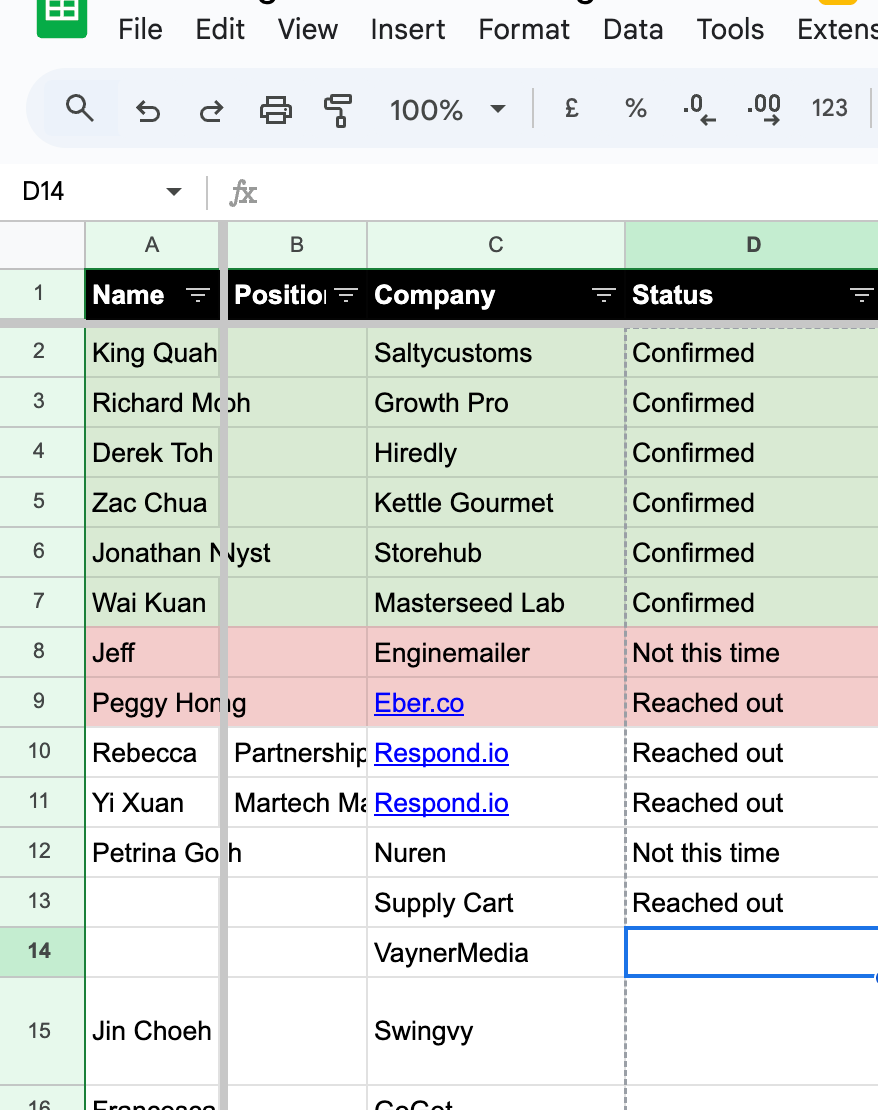
- Dream 20 guests. Write down your dream guest list (up to 20 of them). Put them on a Google Sheet, don't overcomplicate, and make a plan to reach out to each of them.
- Repurposing strategy. Publishing podcasts on Spotify or YouTube alone will not be enough. At the time of writing, there are 4.52 million podcasts in the world. Your podcasts need to find their audience. Use platforms like OpusClip to clip impactful parts of your podcasts and share them on social media.
- Podcast promotion. A podcast that spreads isn't one where the host is constantly trying to out-hustle their marketing. It's one that is shared by its listeners. Don't think, "how can I promote my podcast?". Think "will my listeners WANT to share my podcast?"
Pro Tip: As a podcast host, do your homework and put effort into coming up with content ideas prior to doing any recording. A great podcast makes sure its guests have real stories and steers the conversation of the podcast. Content first, then find a guest with stories that support the content.
Podcast Recording
The quality of your podcast will matter, especially if you're starting a branded podcast that represents your brand.
Think about it. Your podcast will be consumed by both existing and potential customers.
As the saying goes, "How do you do something, is how you do everything". Your listeners and viewers will judge your business by observing the quality of your podcast.
We recommend recording in a studio, but remote recordings can work as well if you have the right podcast recording setup. Riverside.fm is a good way to record and manage remote podcast recordings.
Podcast Post-Production
Once your recording finishes, it's time for post production. A big amount of your time will go here. As a start, you may find yourself doing the editing and actually enjoying it. However, most podcasters eventuall outsource post-production, so they can spend more time on the show.
Just remember not to post raw recordings. Doing that will inevitably damage your brand as you provide a bad experience to your listeners. As we discussed, your target audience sees your podcast as an entry point into your business.
Wouldn’t you make every effort to ensure that your business looks good from the outside so you can attract as many customers as possible?
This is precisely what companies like Saspod do, so you don’t need to figure it out yourself.
Branded Podcast Promotion
There are many ways to promote a branded podcast. But as the landscape get more competitive, getting creative (and doing zig-zag marketing) will be key.
List of things to consider when promoting your show:
- Repurposing your podcast for reach: Create reels, and articles out of podcast episodes and distribute them.
- Send a press release (I know, it's obvious, right? Well, not many do this)
- Name your podcast correctly. Watch the video below
- Use podcast SEO: Research and use keywords in every digital space you publish your podcast on.
- Get your podcast mentioned in industry media: Newspapers, magazines etc.
- Boost your authority and increase your EEAT (Especially in the age of AI Search)
I go deeper in the article below:
 Bogdan Bratis
Is 2026 A Good Year To Start A Branded Podcast?
Absolutely yes! In 2026, we will see the war between AI-generated content and authenticity.
But this is a good thing. As public perception evolves, people will begin to lean towards brands and podcasters that are authentic.
In a world increasingly filled with AI-slop, people are ironically going to value the ones who took the extra effort to make something that truly matters and adds real value to the world.
And one way companies can do this is by starting a branded podcast.